

Mounting machine equipment feeding process:
1. The SMT material preparer takes out the product nest to be produced from the SMT package, and checks whether the prepared material is the substitute material listed in the BOM against the GETBOM.
2. The SMT operator refers to the SMT stack table, identifies the placement machine and feeder position corresponding to the material on the picking tray, and uses a four-digit code to indicate the specified placement machine and feeder position. The first code can be A, B, C, D, corresponding to the three JUKI patch lines, A, B, C represent the first, second, and third placement machines of the J1 and J3 patch lines, respectively. B represents the first and second placement machines of the J2 placement line, corresponding to the CASIO placement machine, A, B, C, and D respectively represent the four feeder supports of the placement machine, STAGE 1, STAGE2, STAGE3, and STAGE4. tower. The second digit code is F, R, F stands for being installed on the front feeder support table, and R stands for being installed on the rear feeder support table. The third and fourth digits are Arabic numerals, which represent the feeder position number to be installed.
3. Confirm the polarity of the components. If it is inconsistent with the marking on the station table, you need to give feedback in time.
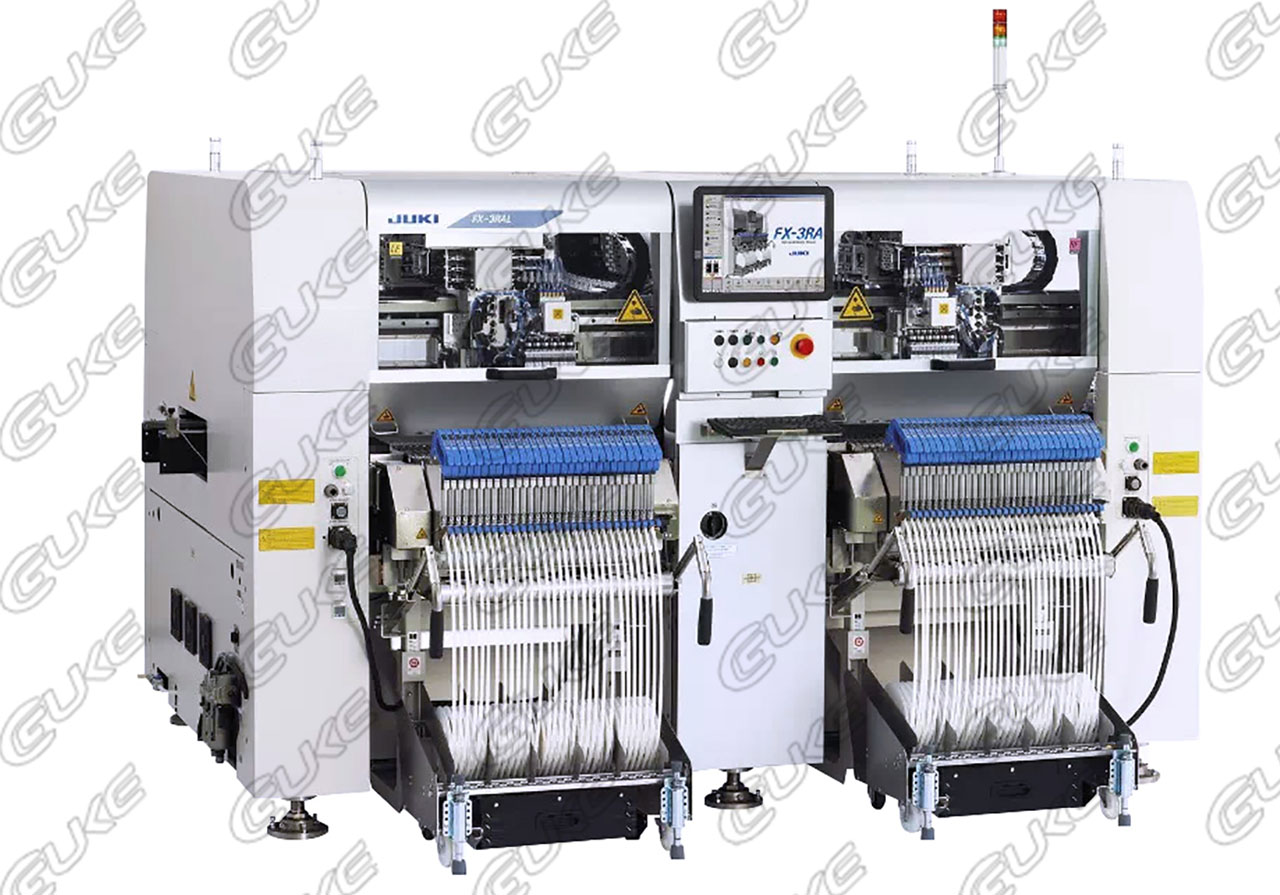
5. Install the feeder feeder that has been loaded on the feeder turnover car, push the turnover car to the side of the placement machine, and install it on the feeder support table of the placement machine according to the installation position on the stack table. After the placement machine operator conducts self-inspection, notify the relevant personnel to re-inspect, and notify IPQC to check the material. After the inspection, fill in the material loading record form in time, and LQC will fill in the material feeding record form after completing the first inspection.
6. Refer to the steps 2-5 above for refueling in the middle of production.
7. Conversion of components in different packaging methods: The stack table usually only sets the stack position of the tape and reel packaging components. The conversion between tape and reel packaging and tube packaging, TDS tray packaging components will involve changes in the stack position. The content of the change is filled in the record sheet; when the components of different packaging methods are changed, the angle of the patch may also need to be adjusted, and the adjustment of the patch angle is completed by the adjuster.
Mounter equipment
8. Feeding regulations for tube loading: IC tubes should be affixed with labels containing the placement machine, feeder position, and material P/N. Before loading, check whether the components in the IC tube are in the wrong material or in the wrong direction; the direction of the components To load according to the polarity of the components forward or to the left, the polarity direction is the first priority, only when the polarity direction is not suitable for the forward direction, it will be left, and the changed polarity direction of the components will be recorded. c. Components with similar shapes should not be arranged in adjacent positions as much as possible to avoid wrong materials and material mixing; when changing a tube, self-inspection, re-inspection, LQC inspection, IPQC should be performed in the same way as reel-to-reel loading. Inspection, tube charging and refueling are more frequent, and after feeding, the material must be checked and recorded in time.
Nine, the use of TDS tray components feeding regulations: The label containing the placement machine, feeder position, and material P/N should be affixed on the material tray, and check whether there is wrong material or wrong direction in the tray; the direction of the components should be The components are loaded with the polarity forward or to the left. The polarity direction is the first priority. Only when the polarity direction is not suitable for the forward direction, the material will be loaded to the left, and the changed polarity direction of the components will be recorded; When changing materials, self-inspection, re-inspection, LQC inspection, and IPQC inspection are required in the same way as reel-to-reel loading. TDS tray-loaded components are frequently replaced, and materials must be checked and recorded in time after loading.